





Astrophysicsstandard
The Milky Way Galaxy's Spiral Arms and Ice-Age Epochs and the Cosmic Ray Connection
On long time scales, it appears that our journey through the Milky Way is responsible for large climate variations. Each time we pass through spiral arms of the galaxy, we witness a higher flux of cosmic rays, which in turn reduce the global temperature. Read more about the…
1. Ice Age Epochs and Milky Way Spiral Arm Passages:

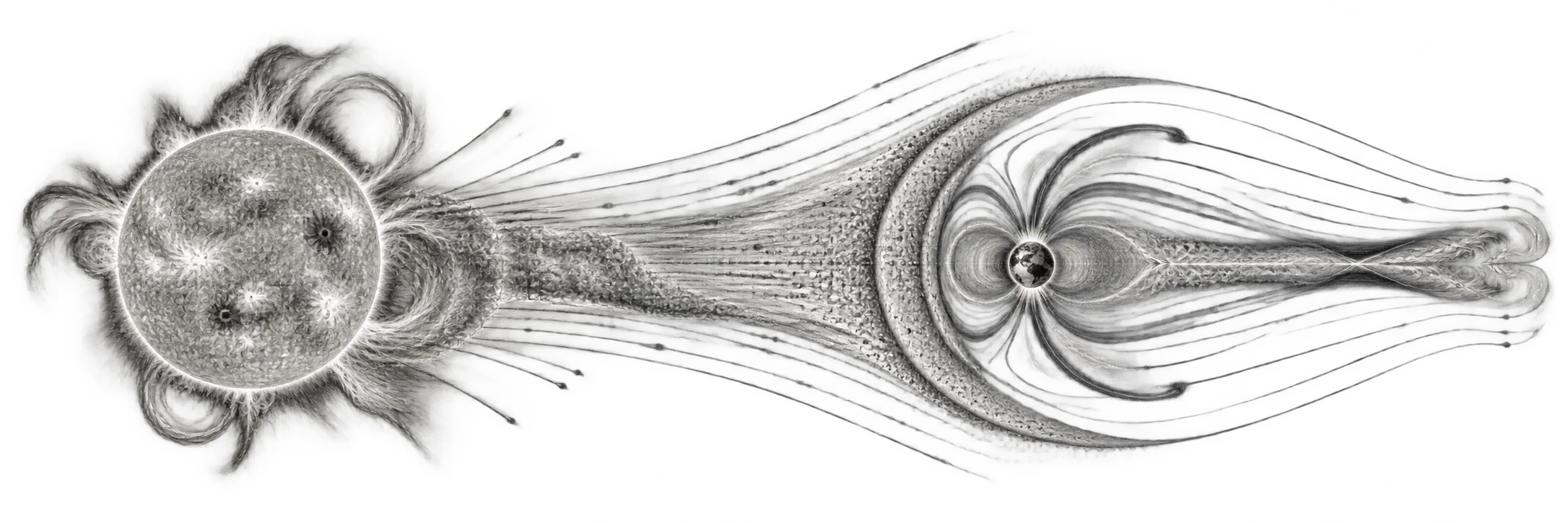
Figure 1 - The cosmic ray link between solar activity and the terrestrial climate. The changing solar activity is responsible for a varying solar wind strength. A stronger wind will reduce the flux of cosmic ray reaching Earth, since a larger amount of energy is lost as they propagate up the solar wind. The cosmic rays themselves come from outside the solar system. Since cosmic rays dominate the troposphere ionization, an increased solar activity will translate into a reduced ionization, and empirically, also to a reduced low altitude cloud cover. Since low altitude clouds have a net cooling effect (their “whiteness” is more important than their “blanket” effect), increased solar activity implies a warmer climate. Intrinsic cosmic ray flux variations will have a similar effect, one however, which is unrelated to solar activity variations.
Different empirical evidence convincingly support the existence of a link between solar activity and the terrestrial climate.
In particular, various climate indices appear to correlate with solar activity proxies on time scales ranging from years to many millennia.
For example, small but statistically significant temperature variations (of about 0.1°C) exist in the global temperature, following the
11 year solar cycle. On longer time scales, the climate system has enough time to adjust, and larger temperature variations arise from
the secular variations in the solar activity.
One mechanism which can give rise to a notable solar/climate link was suggested by the late
Edward Ney of the U. of Minnesota, in 1959. He suggested that any climatic sensitivity to
the density of tropospheric ions would immediately link solar activity to climate. This is
because the solar wind modulates the flux of high-energy particles coming from outside the
solar system. These particles, the cosmic rays, are the dominant source of ionization in the
troposphere. Thus, a more active sun which accelerates a stronger solar wind, would imply
that as cosmic rays diffuse from the outskirts of the solar system to its center, they lose
more energy. Consequently, a lower tropospheric ionization rate results. Over the 11-yr
solar cycle and the long term variations in solar activity, these variations amount to
typically a 10% change in this ionization rate. Moreover, it now appears that there is a
climatic variable sensitive to the amount of tropospheric ionization - clouds. Thus, the
emerging picture is as described in figure 1.

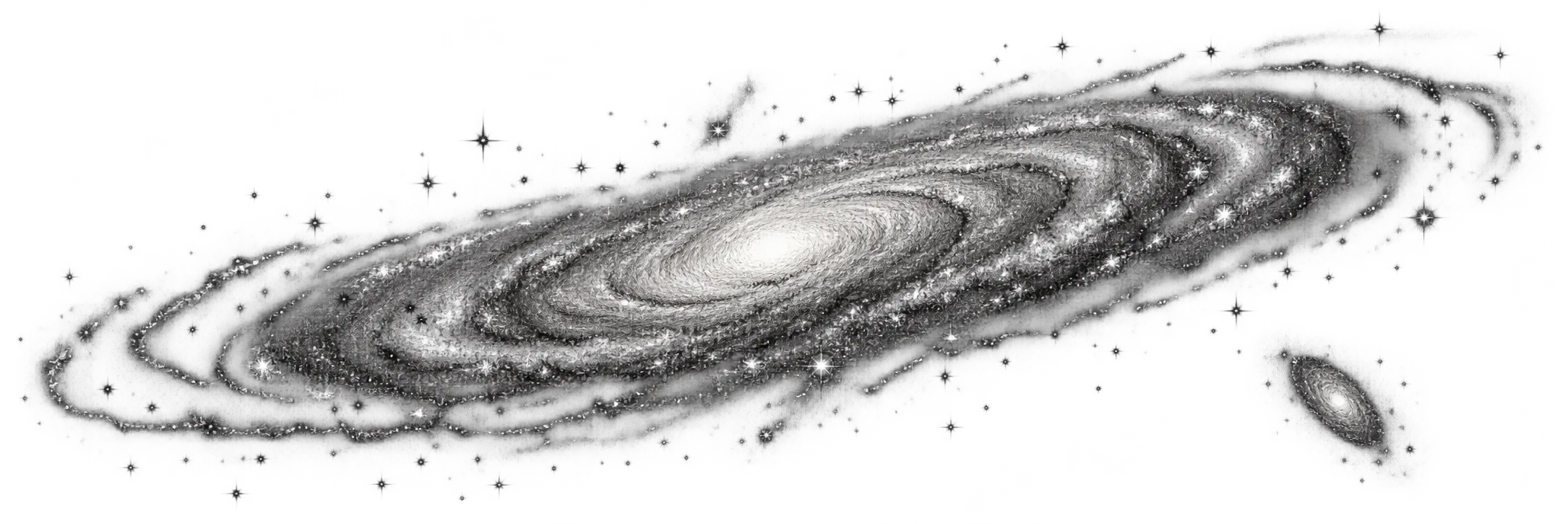
Figure 2 - An artist rendition of the spiral structure of the Milky Way’s spiral structure. Illustration Credit: R. Hurt (SSC), JPL-Caltech, NASA.
If this is true, then one should expect climatic variations while we roam the galaxy. This
is because the density of cosmic ray sources in the galaxy is not uniform. In fact, it is
concentrated in the galactic spiral arms (it arises from supernovae, which in our galaxy are
predominantly the end product of massive stars, which in turn form and die primarily in
spiral arms). Thus, each time we cross a galactic arm, we should expect a colder climate.
Current data for the spiral arm passages gives a crossing once every 135 ± 25 Million years.
(See fig. 2 on the left. Note also that the spiral arms are density waves
which propagate at a different speed than the stars, that is, nothing
moves at their rotation speed).
A record of the long term variations of the galactic cosmic ray flux can be extracted from
Iron meteorites. It was found in the present work that the cosmic ray flux varied
periodically (with flux variations greater than a factor of 2.5) with an average period of
143 ± 10 Million years. This is consistent with the expected spiral arm crossing period and
with the picture that the cosmic ray flux should be variable. The agreement is also with the
correct phase. But this is not all.

Figure 3 - An Iron meteorite, a large sample of which can be used to reconstruct the past cosmic ray flux variations. The reconstructed signal reveals a 145 Myr periodicity shown below. This particular one is part of the Sikhote Alin meteorite that fell over Siberia in the middle of the 20th century, it broke off its parent body about 300 Million years ago.
The main result of this research, is that the variations of the flux, as predicted from the
galactic model and as observed from the Iron meteorites is in sync with the occurrence of
ice-age epochs on Earth. The agreement is both in period and in phase: (1) The observed
period of the occurrence of ice-age epochs on Earth is 145 ± 7 Myr (compared with 143 ± 10
Myrs for the Cosmic ray flux variations), (2) The mid point of the ice-age epochs is
predicted to lag by 31 ± 8 Myr and observed to lag by 33 ± 20 Myr. This can be seen in the
first figure.
A second agreement is in the long term activity: On one hand there were no ice-age epochs
observed on Earth between 1 and 2 billion years ago. On the other hand, it appears that the
star formation rate in the Milky way was about 1/2 of its average between 1 billion and 2
billion year ago, while it was higher in the past 1 billion years, and between 2 to 3
billion years ago.
Another point worth mentioning is that, unlike some articles which misquote me (or copy from
a misquoting article), I don’t think we wont have an ice age coming in the coming few tens
of millions of years. If this galactic-climate picture is correct (and you should judge
yourself from the evidence, in particular by the paper in New Astronomy), it implies that we
are at the end of a several 10 million year long “icehouse” epoch during which we have
ice-ages come and go, and gradually over the next few millions of years, the severity of
ice-ages should diminish, until they will disappear altogether. I wouldn’t buy real estate
in Northern Canada just yet.

2. Cosmic Rays vs. CO2 as a climate driver over geological time scales:
By comparing cosmic ray flux variations to a quantitative record of climate history, more
conclusions can be drawn. This was done together with Jan Veizer, whose group reconstructed
the temperature on Earth over the past 550 million years by looking at 18O
to 16O isotope
ratios in fossils formed in tropical oceans. The following astonishing results were found
once the reconstructed temperature was compared with the reconstructed cosmic ray flux
variations:

Figure 5: Comparison between the reconstructed cosmic ray flux and the quantitative temperature reconstruction over the Phanerozoic: The top panel describes the reconstructed Cosmic Ray Flux variations over the past 500 Million years using the exposure ages Iron Meteorites. The bottom panel depicts in black, the reconstructed tropical ocean temperature variations using isotope data from fossils. The red line is the fit to the temperature using the cosmic ray flux variations. The notable fit implies that most of the temperature variations can be explained using the cosmic ray flux, and not a lot is left to be explained by other climate factors, including CO2. This implies that cosmic rays are the dominant (tropical) climate driver over the many million year time scale.
- Cosmic Ray Flux variations explain more than 2/3's of the variance in the reconstructed temperature. Namely, Cosmic Ray Flux variability is the most dominant climate driver over geological time scales.
- An upper limit can be placed on the relative role of CO2 as a climate driver.
- Using point #2, an upper limit can be place on the global "radiative forcing" sensitivity - the ratio between changes to the radiation budget and ensuing temperature increase. The upper limit obtained is lower than often stated value. This implies that a large fraction of the global warming witnessed over the past century is not due to CO2. Instead, it should be attributable to the increased solar activity which diminished the cosmic ray flux reaching Earth (It has nothing to do with spiral arms as some people misquote me!).
Note however:
- Some of the global warming is still because of us humans (probably about 1/3 to 1/2 of the warming)
- There are many good reasons why we should strive towards using less fossil fuels and more clean alternatives, even though global warming is not the main reason.
- A more recent analysis, which includes: (a) Corrections to the temperature reconstruction due to ocean pH variations, and (b) more empirical comparisons between actual temperature variations and changes in the radiative budget further constrain the global sensitivity to about 1-1.5°C change for CO2 doubling (as compared with the 1.5-4.5°C with the "commonly accepted range" of the IPCC, obtained from global circulation models).
3. Cosmic Rays and the Faint Sun Paradox:
The sun, like other stars of its type, is slowly increasing its energy output as it converts
its Hydrogen into Helium. 4.5 Billion years ago, the sun was 30% fainter than it is today
and Earth should have been frozen solid, but it wasn’t. This problem was coined as the
“Faint Sun Paradox” by Carl Sagan.
If the Cosmic Ray Flux climate link is real, it significantly extenuates this discrepancy.
This is because the young sun, which was rotating much faster, necessarily had a much
stronger solar wind. This implies that less cosmic rays from the galaxy could have reached
Earth because cosmic rays lose energy in the solar wind as they propagate from the
interstellar medium to Earth. Since less cosmic rays implies a higher temperature, this
effect will tend to compensate for the fainter sun.
Plugging in the numbers reveals that about 2/3’s of the temperature increase required to
warm the young Earth to above today’s temperature, can be explained with this effect. The
remaining 1/3 or so, can be explained with moderate amounts of greenhouse gases, such as
0.01 bar of CO2 (amounts which are consistent with geological constraints), or some NH3 or
CH4.
Detailed Bibliography

Figure 6 - Cover of GSA Today - A geology magazine with a spiral galaxy on it!
A) Details Scientific Papers:
For detailed papers on this work, see the following:
- The first paper describing the link between the Milky Way spiral arms was - published in Physical Review Letters (4 Journal Pages, Abstract, PDF)
- An extremely detailed analysis of the link between Milky Way spiral arm passages and Ice-Age epochs. It includes a reconstruction of the past cosmic ray flux variations from Iron meteorites. Published in New Astronomy (29 Journal Pages, Abstract, PDF)
- Shaviv & Veizer article in GSA Today. A quantitative comparison between the reconstructed cosmic ray flux and the reconstructed global temperature. (7 Journal pages, External PDF, local PDF or HTML)
- Towards resolving the Faint Sun Paradox - How the Cosmic Ray flux / Climate link helps resolve the faint sun paradox by explaining 2/3s of it. (Appeared in JGR, PDF or PS)
- On Climate Response to Changes in the Cosmic Ray Flux and
Radiative Budget (Appeared in JGR-Space, Abstract,
PDF).
- An online article originally written for PhysicaPlus - Yet another general description of the topic with an emphasis on the background.
- Climate Debate - More on the debate that this topic has given rise too.
- Anthropogenic or Solar? - More on the attribution of global warming.
-
Celestial Climate Driver: A Perspective from Four Billion Years of the Carbon Cycle - More on the above research from a geochemist's point of view
C) Various articles in general press:
- AIP newsletter #599-2: Ice-Ages and Spiral Arms
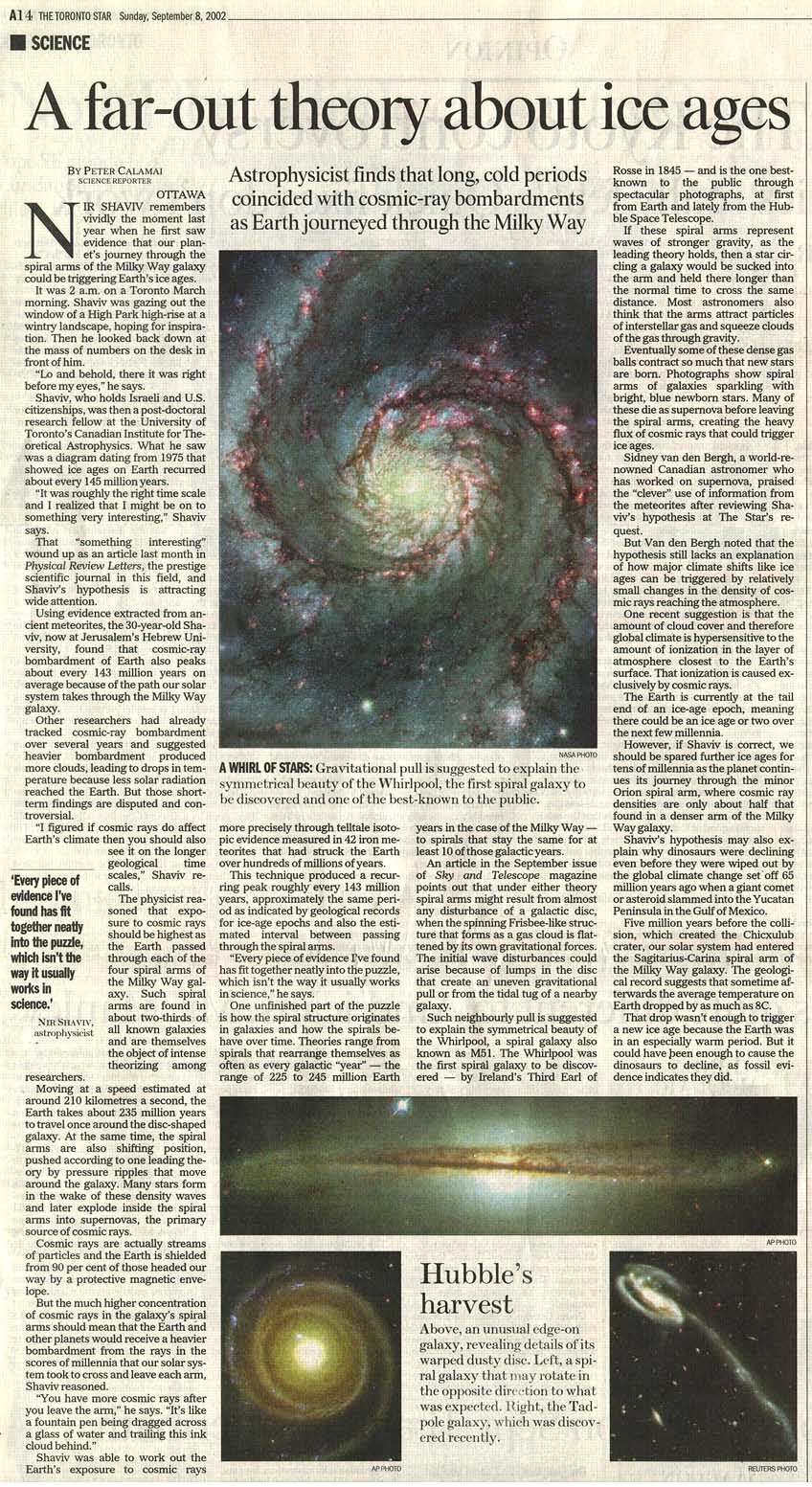
- "A Far-Out theory about ice ages", The Toronto Star, Sep 8, 2002.
- New Scientist, "Journey through Milky Way may keep us cool", July 20, 2002 Issue.
- BBC Online "Galaxy 'may cause ice ages', July 31, 2002
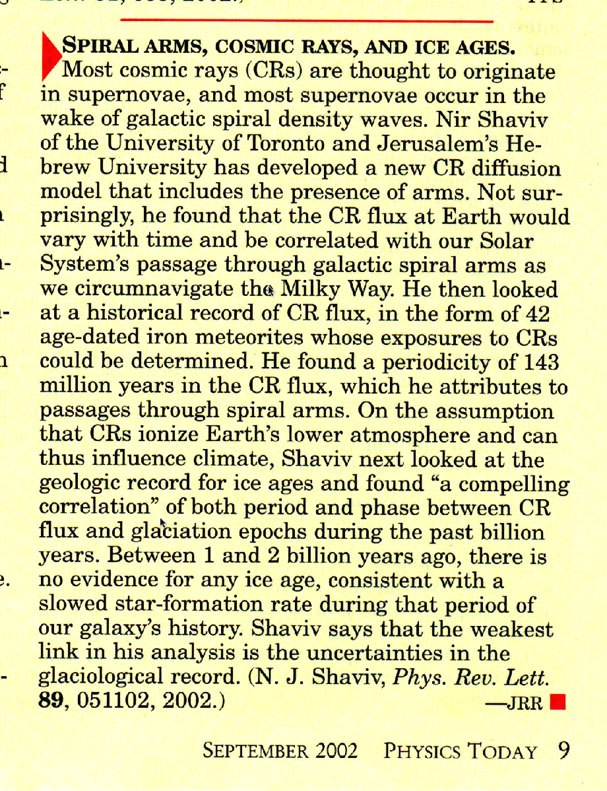
- 'Spiral arms, cosmic rays and ice-ages', Physics Today, September, 2002
- The Boston Globe, "Earth Travels linked to Ice Ages", September 3rd, 2002
- NASA Astrobiology Latest News: "Solar System's Path May Have Spurred Ice Ages", July 2002
- www.space.com, "Solar System's Path May have Spurred Ice Ages", July 25, 2002
- Discover Magazine, "Story no. 34 from 100 Top science stories of 2002", January 2003 Issue.
- Cosmic Weather - California Wild, Winter 2003
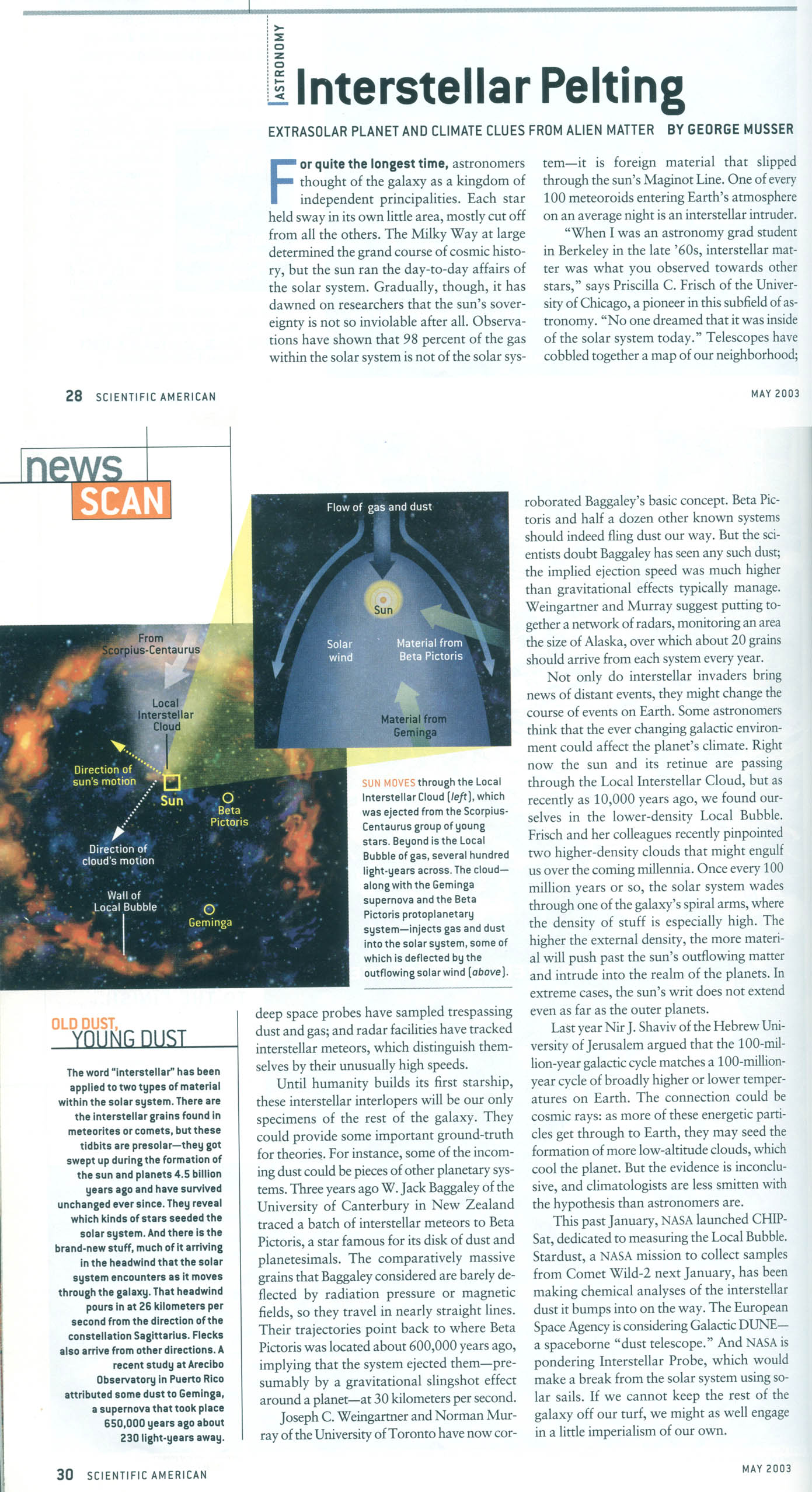
- Article in Scientific American which mentions the above work (and also the work of my friends and colleagues at CITA), May 2003
- nature's
science
update, "Galactic dust cooling Earth?", July 8, 2003 (and no, dust
has
nothing to do with it).
D) And some non english articles:
- Die Zeit, Kosmische Klimamacher, Aug 1st, 2002
- Sciences et Avenir, La glace venue du cosmos, Octobre 2002 and Scan of Printed Version
- Pravda, НАУКА: УЧЕНЫЕ УСТАНОВИЛИ, ЧТО ЛЕДНИКОВЫЕ ПЕРИОДЫ ВЫЗВАНЫ КОСМИЧЕСКИМИ ЛУЧАМИ , July 30th, 2002
- Linnunrata kylmentää Maata, Tieteen Kuvalehti magazine (in Finnish), February, 2003
- Mælkevejen giver Jorden kuldechok, Illustreret Videnskab magazine (in Danish), February, 2003
- Die nächste Eiszeit kommt 7bestimmt, P.M. - Die Moderne Welt des Wissens, January, 2003

And a movie made on the topic.